
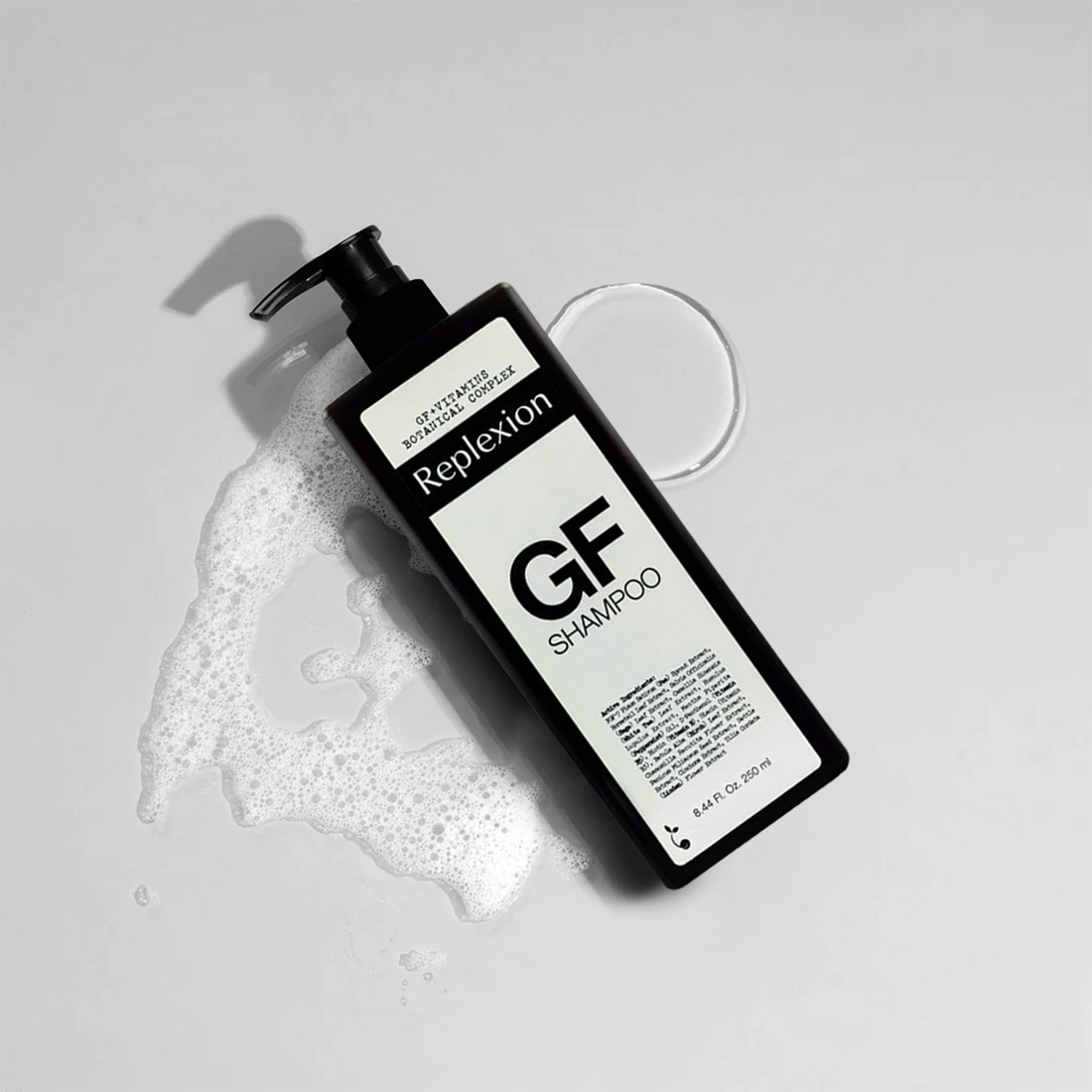
Everything About Shampoos: From Basic Function to Advanced Formulation
Paylaş
Although shampoos are mainly known as a simple detergent to ensure the cleanliness of the scalp and hair, they offer much more functionality thanks to market competition and technological advancements. In this article, we will discuss the basic functions, ingredients, additional features, and current debate topics of shampoos in detail.
The Basic Function of Shampoo and Market Dynamics
-
Basic Function:
Although the primary task of shampoo is to clean the scalp and hair, 70-90% of the product consists of water. This basic structure reveals how shampoo is tried to be differentiated with other ingredients. -
Market Competition:
Due to competition, brands add additional components such as sunscreens, conditioners, nourishing and herbal ingredients, vitamins, tea tree oil, caffeine, and procapil to shampoos, making promises like “prevents hair loss, promotes hair growth, nourishes hair.” However, the scientific basis for such claims is debatable, as the contact time of shampoo with hair and scalp is short.
Shampoo Ingredients: What Do They Do?
-
Components of the Formulation:
While 70-90% of shampoo content is water, the remaining 20% consists of;- Synthetic Detergents: Provide hair cleansing.
- Conditioners: Prevent hair from frizzing and stiffening.
- Binding Ingredients and Preservatives: Ensure the product looks homogeneous and extend its shelf life.
- Perfume and Other Active Ingredients: Differentiate the product in terms of aesthetics and marketing.
-
Additional Functions:
Today, although shampoos cannot support claims such as "preventing hair loss" due to their short contact time with the scalp;
the conditioning, nourishing, and repairing properties added to products aim to improve the appearance of the hair.
Sulfates and Chemical Ingredients: Harmful?
-
Sulfate Debate:
It is reported that cleansing agents like SLS and SLES may cause dryness and irritation in some sensitive skin types. However, scientific research has not definitively proven their harmfulness.-
Alternative Options:
Sulfate-free shampoos may be preferred, especially for individuals with allergic, extra-sensitive scalps or those seeking post-hair transplant care.
-
Alternative Options:
-
Dosage and Safety:
Chemicals contained in a shampoo are not harmful when used in the correct dosage. The key is that the ingredients used in the product's formulation are within safe limits.
Non-Chemical Shampoo Alternatives
-
Natural Cleansers:
In recent years, products containing natural cleansing agents have begun to be developed as an alternative to shampoos that are perceived to have high chemical content.-
Personal Preferences:
For those who wish to reduce their daily exposure to chemicals, shampoos with natural ingredients can be preferred.
-
Personal Preferences:
Conclusion: What You Need to Know About Shampoos
Shampoos are continuously being developed to provide aesthetic benefits and special care functions, beyond just cleaning the hair and scalp. Considering the safe usage dosages of chemicals in ingredients, the product's usage duration, and the short contact time with the scalp, shampoos produced with the correct formulations do not pose a health risk in normal use. The important thing is to choose the right product for your skin type and needs, and to consider alternative formulas in case of sensitivity.